
Returning Organic Waste Back to the Soil
A national framework to close the loop — diverting organic waste from landfill and rebuilding Australia’s depleted agricultural soils through the Product Stewardship Act.
A Climate Contradiction
Australia faces a fundamental tension between fossil fuel expansion and its climate commitments — and the proposed solutions fall short.
Climate Pressure
Australia is vying to co-host COP31 in 2026, yet has approved Woodside Energy’s Burrup Peninsula gas expansion — generating significant unresolved atmospheric CO₂.
$6.4B Perdaman Plant
The proposed Perdaman urea fertiliser plant compounds environmental impact. Artificially manufactured nitrogen ignores the 74,000 tonnes of natural nitrogen above every hectare of land.
Carbon Capture Limits
Carbon capture and storage has no 100–1,000 year success record. It cannot be the sole answer to offsetting ongoing fossil fuel emissions at the scale humanity requires.
Soils Are the Answer
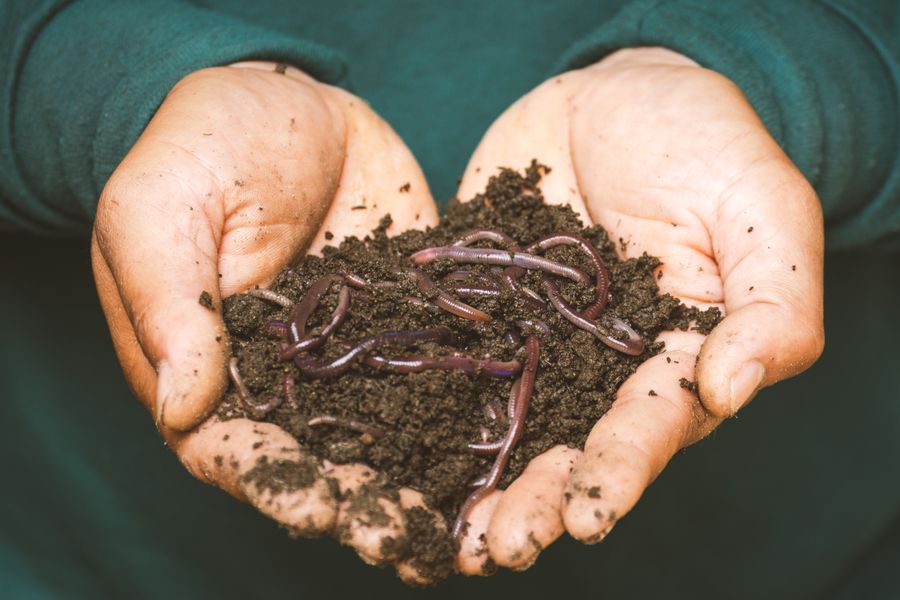
Of the two natural carbon sinks — seas and soils — only soils are within our practical control. Biologically managed soils can build carbon rapidly and at remarkable scale. The Green Revolution showed that artificial fertiliser is not a reliable road to productivity. The answer is biological.
The key question becomes: How do we design a system that rewards farmers for managing soils to capture and retain carbon?
Two Problems,
One Solution
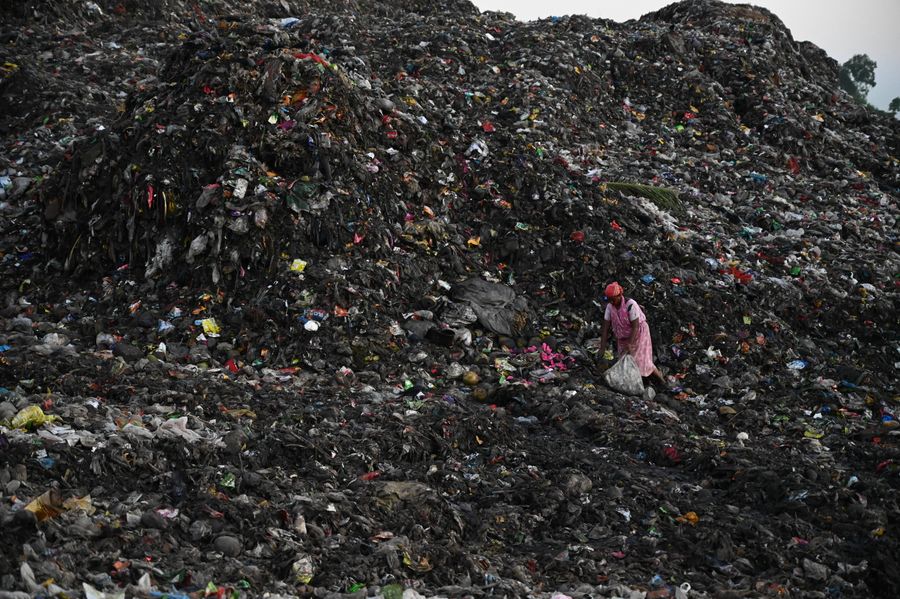
Australia is simultaneously wasting organic matter in landfill and depleting the organic matter in its agricultural soils. Programs like Armidale Council’s City to Soil demonstrate that source-separated organic waste can directly reconnect urban households with the farmers who feed them.
Organic Waste in Landfill
Despite growing green waste programs, large volumes of Australia’s organic waste are still legally diverted to landfill — a significant source of methane emissions.
Composting = Near-Zero Methane
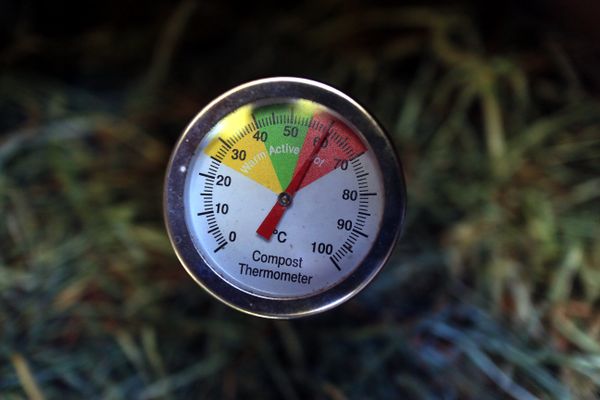
The same organic material, when composted correctly, produces negligible methane. Composting transforms a climate liability into a soil-building asset.
Declining Soil Carbon
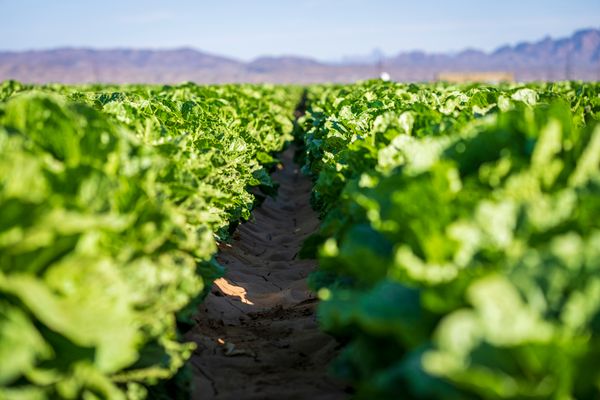
The 2016 State of the Environment report found most Australian regions have declining soil carbon trends due to clearing, drying climates, and agricultural intensification.
The Product Stewardship Act
Organic waste collection and composting satisfies existing objectives and criteria of the Product Stewardship Act 2011 — creating a clear pathway for a new national scheme.
Ensuring products and waste are reused, recycled, recovered, treated and disposed of in a safe, scientific and environmentally sound way.
Products in the class are present in the national market.
Potential to significantly increase conservation of materials or recovery of resources from waste products.
Four Pillars of the Proposed Scheme
Universal Collection
All Councils must include source-separated food and garden organic collection in all domestic and commercial waste tenders.
Licensed Composting
Clean organic material must be composted on licensed premises to Australian National Compost Standard AS4454, with specific nutrient and biological levels.
Local Agricultural Use
All finished compost must be used by Council or delivered to an agricultural property within 200 km of the collection council.
No Market Distortion
Products must not compete with commercial production, or at minimum be processed by a local commercial operator.
Roadmap to Implementation
A structured process to build stakeholder commitment and deliver a national organic waste scheme.
Review international organic waste product stewardship models and existing Australian schemes.
Discuss legislation needed to create a new scheme regulated by the Dept. of Climate Change, Energy, the Environment and Water.
Review the Emissions Reduction Fund’s method for source-separated organic waste and identify linkages.
Engage partner organisations: AORA, Australian Food & Grocery Council, NFF, NSW Farmers, Soils for Life and others.
Create a first-draft product stewardship scheme for organic waste aligned with the Act.
Run workshops with AORA, Councils and community groups to explore issues and refine the scheme.
Develop an implementation plan and submit proposal to the Australian Government for consideration.
Appoint a scheme administrator, establish funding, and implement the national scheme.
The Window Is Open
Several converging factors create a real opportunity to advance a national organic waste product stewardship scheme right now.
- Federal Government periodically reviews the Product Stewardship Act
- Federal politicians are aware of food waste reduction imperatives
- Increasing waste-to-landfill rates are driving public and political pressure
- National and State waste reduction targets demand action
Key Partner Organisations
Building this scheme requires collaboration across government, industry, and agriculture.